Build more in factories
Move appropriate home construction into controlled factory settings where repetition, less waste and dependable scheduling can help reduce costs—then assemble quality homes in the communities that need them.
Brent & Campaign
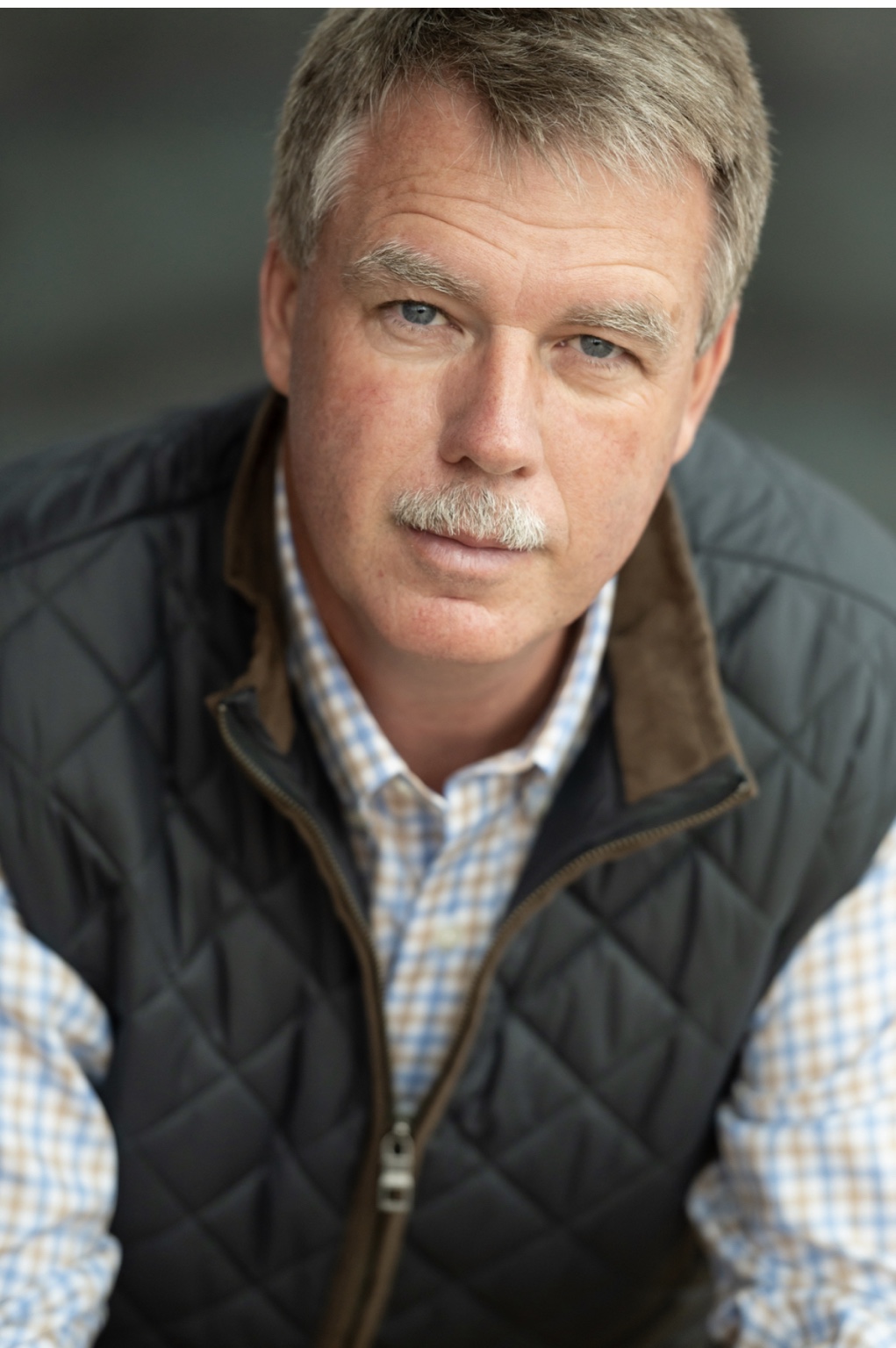
Brent Roberson created this independent District 23 website and is a candidate for the North Carolina House. His biography and stated campaign priorities are contained on this page so the rest of the site can remain focused on district information and community resources.
Biography
Brent Roberson has spent his life building businesses, working the land and solving practical problems as a farmer, logger and contractor.
He created Hometown Together to bring people from different walks of life together as neighbors, encourage them to listen to one another and help them find common ground. He also serves as chapter president of Sleep in Heavenly Peace in Williamston, where volunteers build and deliver beds to children who do not have one.
Brent is helping owner-finance North Carolina’s first Black-owned asphalt plant. He also owner-financed a logging operation for a young employee who became a successful logger and substantially grew the business.
Brent is not making these investments because he has money he will never miss. He works, faces rising costs and makes difficult financial decisions like other people. But he believes money should do more than make his own life easier. When possible, he puts money that matters to him behind capable, hardworking people who need someone willing to believe in them and share the risk.
That same belief led him to create Business Advancement, a rural-development initiative designed to help economically disadvantaged people build sustainable businesses through practical training, administrative support and access to opportunity. To Brent, economic development means helping local people become owners, create jobs and build wealth that remains in their families and communities for generations.
Why I’m running
Rural families should not have to choose between affordability and opportunity. Brent’s priorities connect lower everyday costs with housing, education, disaster recovery, local ownership and long-term community growth.
“I am running because Eastern North Carolina needs more than temporary help. We need to lower everyday costs, build homes working families can afford, prepare young people for both college and skilled careers, rebuild after disasters in ways that strengthen local economies, and help local people become owners. These are not separate ideas. Together, they create communities where families can afford to stay, work and build something that lasts.”
Move appropriate home construction into controlled factory settings where repetition, less waste and dependable scheduling can help reduce costs—then assemble quality homes in the communities that need them.
Reform FEMA contracting so qualified contractors near a disaster have a fair opportunity to rebuild. Recovery dollars should restore roads, homes and utilities while also restoring the local economy.
Give students two respected high-school paths: preparation for college or preparation for a trade through technical instruction, apprenticeship and a realistic path toward licensing and employment.
Combine practical training, shared business support and real access to opportunity so capable people can build sustainable companies, create local jobs and grow generational wealth.
Cap North Carolina’s gas tax and eliminate the remaining sales tax on groceries. Families should keep more of their money for housing, transportation, savings and the other necessities of daily life.